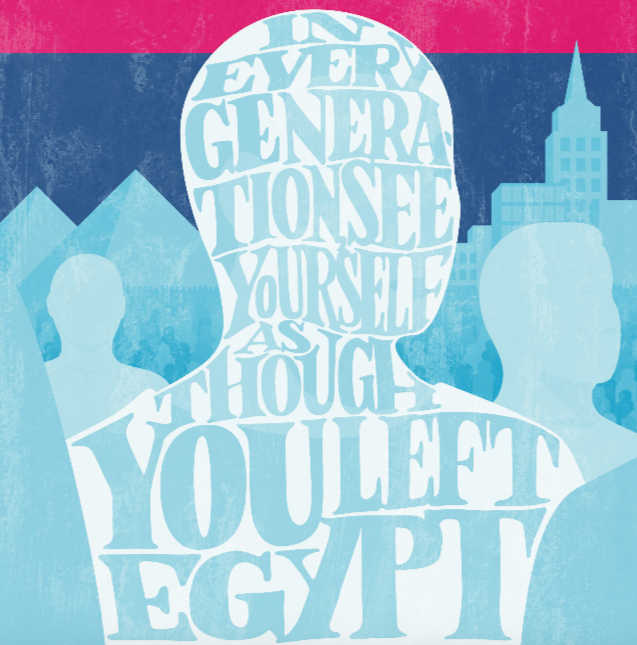
Throughout our history, violence and persecution have driven the Jewish people to wander in search of a safe place to call home. We are a refugee people. At the Passover Seder, we gather to retell the story of our original wandering and the freedom we found. But we do not just retell the story. We are commanded to imagine ourselves as though we, personally, went forth from Egypt – to imagine the experience of being victimized because of who we are, of being enslaved, and of being freed.
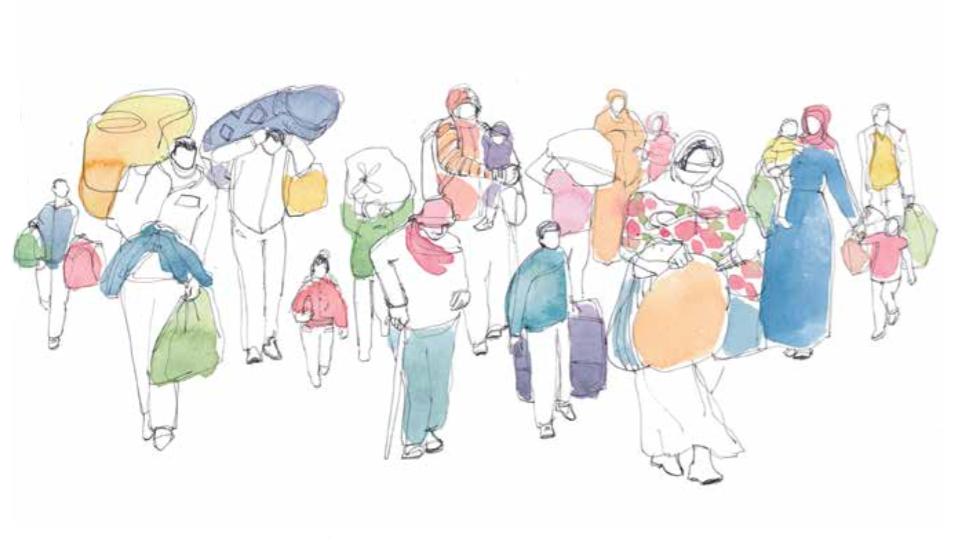
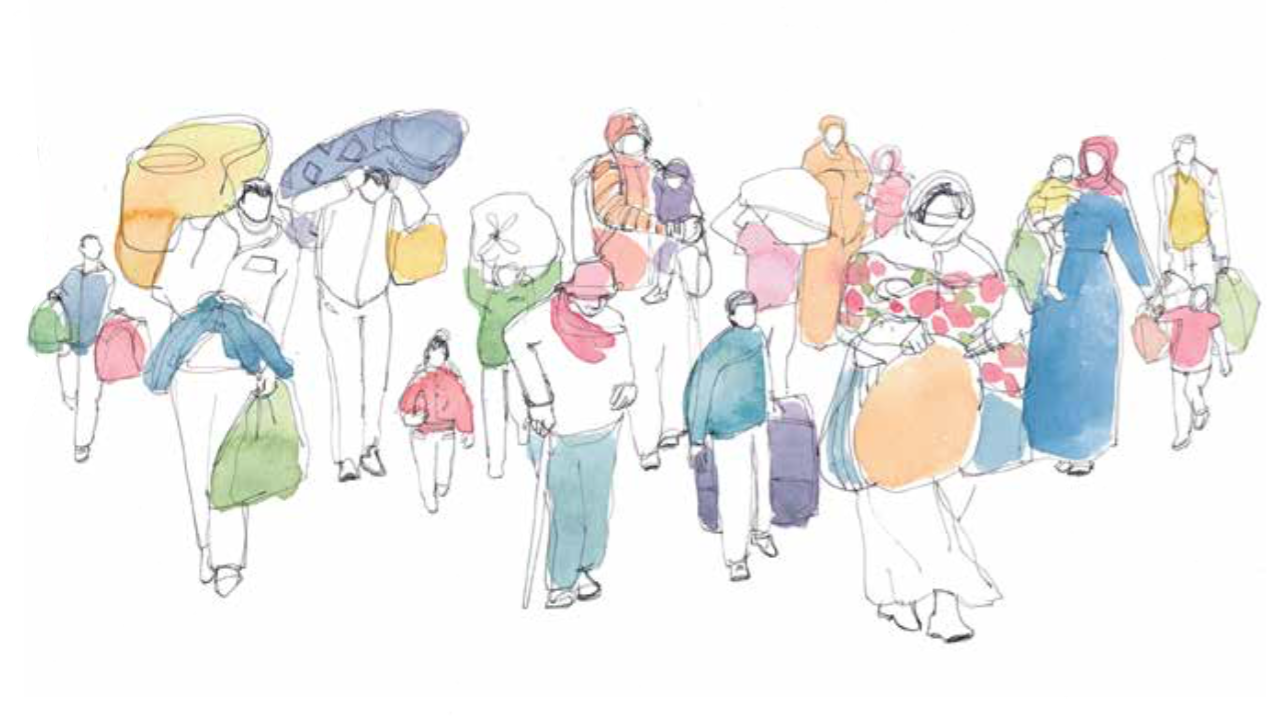
As we step into this historical experience, we cannot help but draw to mind the 65 million displaced people and refugees around the world today fleeing violence and persecution, searching for protection. Like our ancestors, today’s refugees experience displacement, uncertainty, lack of resources, and the complete disruption of their lives.
Over the past year, we have read almost daily about humanitarian crises, watched xenophobic hate crimes increase, and been overwhelmed by the sheer number of people being persecuted. In the United States, in particular, we have experienced a devastating closing of doors to refugees. We now have the opportunity this evening to move beyond the headlines and the statistics to focus on the individual experiences behind the numbers and policies. These are the experiences of refugees around the world who, like the ancient Israelites, are finding liberation amidst brokenness and rebuilding their lives. Tonight, as we embrace the experience of our ancestors, we also lift up the experiences of the world’s refugees who still wander in search of safety and freedom.
Before you begin the Seder, either walk with your guests to the front door or have one guest rise from the table and walk to the front door. There, place a pair of shoes on the doorstep and read the words below.
Leader: The heart of the Passover Seder tells the story of the Jewish people’s exodus from slavery in Egypt. During the retelling of this story, we say the words, “בי ִא ד ָ בֹ ֵא מי ִּר ַאֲ (Arami oved avi).” This phrase is sometimes translated as “My father was a wandering Aramean” and other times as “An Aramean sought to destroy my father.” Somewhere between the two translations lies the essence of the Jewish experience: a rootless people who have fled persecution time and time again.
Group: When we recite the words “Arami oved avi,” we acknowledge that we have stood in the shoes of the refugee. Today, as we celebrate our freedom, we commit ourselves to continuing to stand with contemporary refugees and asylum seekers. In honor of this commitment, we place a pair of shoes on the doorstep of our home to acknowledge that none of us is free until all of us are free and to pledge to stand in support of welcoming those who do not yet have a place to call home.
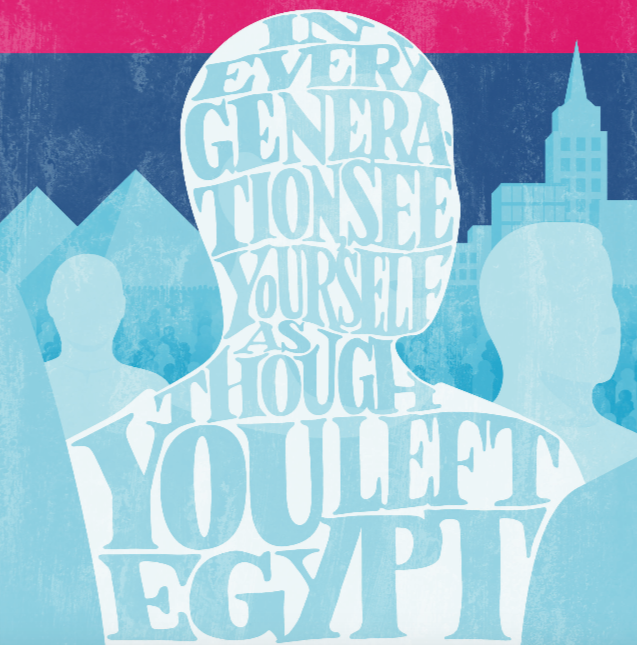
Throughout our history, violence and persecution have driven the Jewish people to wander in search of a safe place to call home. We are a refugee people. At the Passover Seder, we gather to retell the story of our original wandering and the freedom we found. But we do not just retell the story. We are commanded to imagine ourselves as though we, personally, went forth from Egypt – to imagine the experience of being victimized because of who we are, of being enslaved, and of being freed.
As we step into this historical experience, we cannot help but draw to mind the 65 million displaced people and refugees around the world today fleeing violence and persecution, searching for protection. Like our ancestors, today’s refugees experience displacement, uncertainty, lack of resources, and the complete disruption of their lives.
Over the past year, we have read almost daily about humanitarian crises, watched xenophobic hate crimes increase, and been overwhelmed by the sheer number of people being persecuted. In the United States, in particular, we have experienced a devastating closing of doors to refugees. We now have the opportunity this evening to move beyond the headlines and the statistics to focus on the individual experiences behind the numbers and policies. These are the experiences of refugees around the world who, like the ancient Israelites, are finding liberation amidst brokenness and rebuilding their lives. Tonight, as we embrace the experience of our ancestors, we also lift up the experiences of the world’s refugees who still wander in search of safety and freedom.
Before you begin the Seder, either walk with your guests to the front door or have one guest rise from the table and walk to the front door. There, place a pair of shoes on the doorstep and read the words below.
Leader: The heart of the Passover Seder tells the story of the Jewish people’s exodus from slavery in Egypt. During the retelling of this story, we say the words, “בי ִא ד ָ בֹ ֵא מי ִּר ַאֲ (Arami oved avi).” This phrase is sometimes translated as “My father was a wandering Aramean” and other times as “An Aramean sought to destroy my father.” Somewhere between the two translations lies the essence of the Jewish experience: a rootless people who have fled persecution time and time again.
Group: When we recite the words “Arami oved avi,” we acknowledge that we have stood in the shoes of the refugee. Today, as we celebrate our freedom, we commit ourselves to continuing to stand with contemporary refugees and asylum seekers. In honor of this commitment, we place a pair of shoes on the doorstep of our home to acknowledge that none of us is free until all of us are free and to pledge to stand in support of welcoming those who do not yet have a place to call home.
showing
1-6
of
48
Page
1
of
8