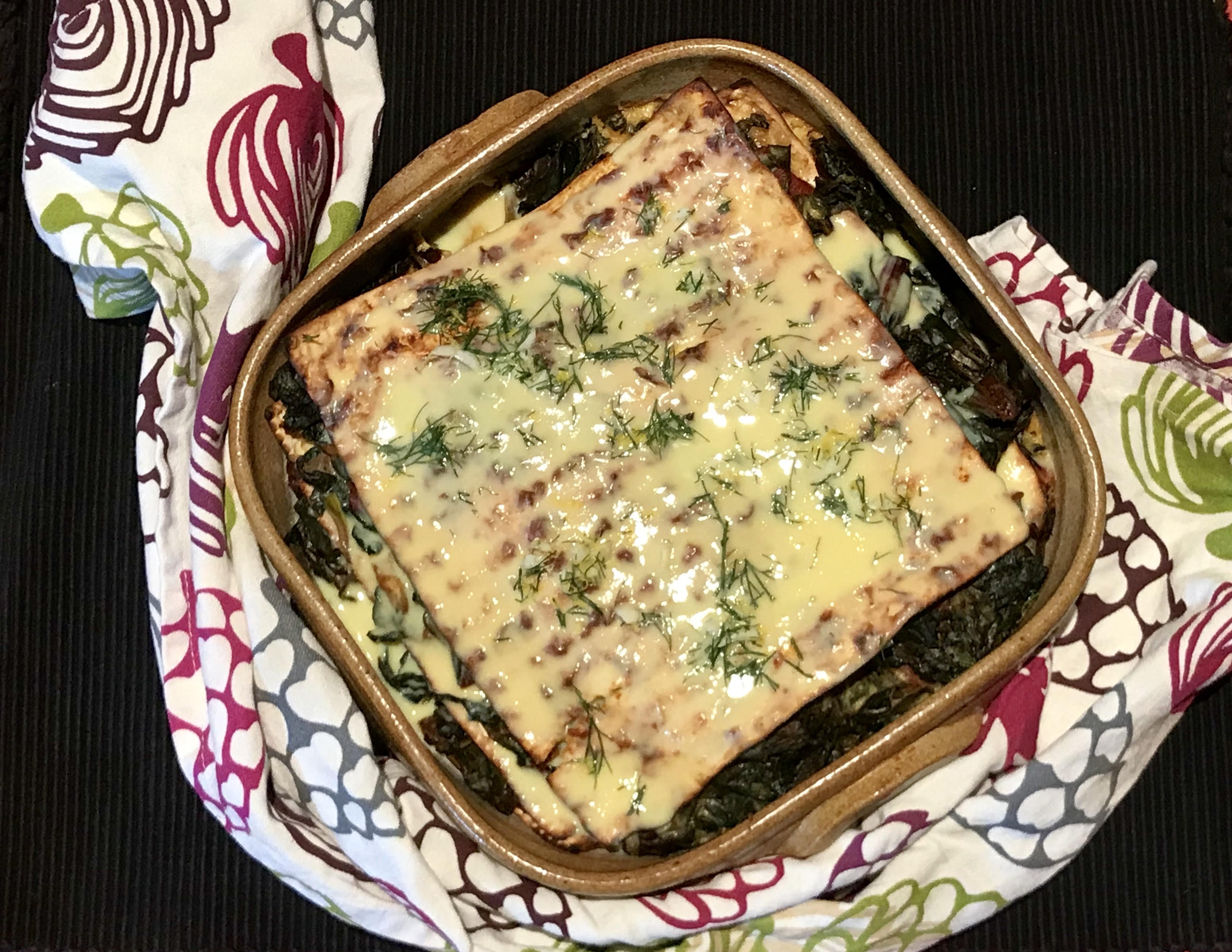
Mina with Bitter Greens and Lemon-Egg Sauce - Adapted from the J
Preview
More
Makes about 1/2 cup
Ingredients:
3 tablespoons ground turmeric
3 tablespoons ground cumin
1 tablespoon ground black pepper
2 teaspoons ground cardamom
2 teaspoons ground coriander
1 teaspoon ground ginger
1/4 teaspoon ground cloves
Instructions:
In a small jar with a lid, combine the turmeric, cumin, black pepper, cardamom, coriander, ginger, and cloves, secure the lid, and shake until combined. Store airtight for up to 1 year.
This recipe is copyrighted by Faith Kramer, author of 52 Shabbats: Friday Night Dinners Inspired by a Global Jewish Kitchen. Learn more at faithkramer.com.
![Passover [to the tune of “Popular” from Wicked]](https://s3.us-east-2.amazonaws.com/production-files.recustom.com/a455fcdc-7a6d-4e06-8f40-1adbc329318a.gif)
Adapted from The Cochin Jewish Book of Sweets and Drinks
By Essie Sassoon, Bala Menon, and Kenny Salem
Serves 6-8
6 sheets matzah
4 cups water
½ tsp. salt
½ tsp. masala spices (see notes), optional
1 ¼ cups sugar
¼ cup coconut oil
½ cup divided, dried, unsweetened grated coconut
Break the matzah into small pieces (1/4-to-1/2 inch in size). Set aside. In a pan combine the water, salt, spice mix, sugar and coconut oil. Stir. Bring to a boil over medium heat. Stir in ¼ cup coconut shreds. Stir in matzah pieces. Mix well. Cook until water evaporates, stirring occasionally. Stir in an additional 2 Tbs. dried coconut. The consistency should be like a slightly wet matzah brei mixture. If too wet, add additional matzah pieces. If too dry, add water. Serve warm or room temperature sprinkled with the remaining coconut shreds.
Masala Spice Mix: Mix ¼ tsp. each ground cinnamon, cardamom, nutmeg, and ginger. Use ½ tsp. for this recipe (or skip the mix and just use ½ tsp cinnamon). Store leftover mix airtight and use to flavor tea, coffee, and desserts.
Optional: Serve the sweet with fresh mango, berries, or other fruit and or top with a tablespoon or two of coconut milk or cream.
This recipe is copyrighted by Faith Kramer, author of 52 Shabbats: Friday Night Dinners Inspired by a Global Jewish Kitchen. Learn more at faithkramer.com.
This is the first ritual washing of the seder. You do it whether your hands are clean or dirty, because you’re about to consume some food for the first time since you sat yourselves down for the meal/exploration of history. The act of washing prepares you for the enjoyment and exploration ahead. And this probably goes without saying, but be careful not to spill on any local witches — while scientists do not know if all bearers of magic have a water allergy, better safe than sorry. It’s also practical to protectively shield your characters at the beginning of the narrative, because if they melt no one learns anything.
For Elphaba, the “karpas” part of the seder — in which we remember both spring and the tears our people shed in Egypt when they were slaves — would be her happy place. [graf] In Karpasland, she’d be surrounded by greens, connecting and communing with nature while totally blending in. The presence of the salt water would remind her of her past sorrows, but in the symbols of spring — a stream, woodland creatures in a lush environment, shades of green everywhere — she would find hope. [graf] And of course, she could be among the poppies, mysterious flowers that thrive in sunshine, with some varieties holding the power to put people to sleep.
Poppies, with their short life cycle, have for centuries been associated with death, especially the death of children — in Greek and Roman myth, the poppy is tied to Demeter, who created it to bring her sleep amid grief over the loss of her daughter Persephone to Hades, God of the Underworld. In more contemporary times, the flower has been a symbol of sacrifice for Americans since the first World War, present at ceremonies honoring fallen members of the military.
[graf] In another recent example, a exhibit in the Israel Museum by artist Erez Israeli, 𝘍𝘪𝘦𝘭𝘥 𝘰𝘧 𝘍𝘭𝘰𝘸𝘦𝘳𝘴, strung together glass beads to create a field of poppies, in memory of murdered hostages Carmel Gat, Eden Yerushalmi, Ori Danino, Hersh Goldberg-Polin, Alexander Lobanov, and Almog Sarusi.
[graf] Poppies are colorful and quite beautiful, but if you’re planning on dancing through life, you might want to steer clear of papaver somniferum — the variety that produces opium, a powerful narcotic whose derivatives include the dangerously addictive morphine, codeine, heroin, and oxycodone.
[graf] So when it comes to karpas, stick to those leafy greens and leave the field of poppies for Elphaba — she’s going to need them later.
Mina with Bitter Greens and Lemon-Egg Sauce - Adapted from the J
Preview
More
Makes about 1/2 cup
Ingredients:
3 tablespoons ground turmeric
3 tablespoons ground cumin
1 tablespoon ground black pepper
2 teaspoons ground cardamom
2 teaspoons ground coriander
1 teaspoon ground ginger
1/4 teaspoon ground cloves
Instructions:
In a small jar with a lid, combine the turmeric, cumin, black pepper, cardamom, coriander, ginger, and cloves, secure the lid, and shake until combined. Store airtight for up to 1 year.
This recipe is copyrighted by Faith Kramer, author of 52 Shabbats: Friday Night Dinners Inspired by a Global Jewish Kitchen. Learn more at faithkramer.com.
Adapted from The Cochin Jewish Book of Sweets and Drinks
By Essie Sassoon, Bala Menon, and Kenny Salem
Serves 6-8
6 sheets matzah
4 cups water
½ tsp. salt
½ tsp. masala spices (see notes), optional
1 ¼ cups sugar
¼ cup coconut oil
½ cup divided, dried, unsweetened grated coconut
Break the matzah into small pieces (1/4-to-1/2 inch in size). Set aside. In a pan combine the water, salt, spice mix, sugar and coconut oil. Stir. Bring to a boil over medium heat. Stir in ¼ cup coconut shreds. Stir in matzah pieces. Mix well. Cook until water evaporates, stirring occasionally. Stir in an additional 2 Tbs. dried coconut. The consistency should be like a slightly wet matzah brei mixture. If too wet, add additional matzah pieces. If too dry, add water. Serve warm or room temperature sprinkled with the remaining coconut shreds.
Masala Spice Mix: Mix ¼ tsp. each ground cinnamon, cardamom, nutmeg, and ginger. Use ½ tsp. for this recipe (or skip the mix and just use ½ tsp cinnamon). Store leftover mix airtight and use to flavor tea, coffee, and desserts.
Optional: Serve the sweet with fresh mango, berries, or other fruit and or top with a tablespoon or two of coconut milk or cream.
This recipe is copyrighted by Faith Kramer, author of 52 Shabbats: Friday Night Dinners Inspired by a Global Jewish Kitchen. Learn more at faithkramer.com.
This is the first ritual washing of the seder. You do it whether your hands are clean or dirty, because you’re about to consume some food for the first time since you sat yourselves down for the meal/exploration of history. The act of washing prepares you for the enjoyment and exploration ahead. And this probably goes without saying, but be careful not to spill on any local witches — while scientists do not know if all bearers of magic have a water allergy, better safe than sorry. It’s also practical to protectively shield your characters at the beginning of the narrative, because if they melt no one learns anything.
For Elphaba, the “karpas” part of the seder — in which we remember both spring and the tears our people shed in Egypt when they were slaves — would be her happy place. [graf] In Karpasland, she’d be surrounded by greens, connecting and communing with nature while totally blending in. The presence of the salt water would remind her of her past sorrows, but in the symbols of spring — a stream, woodland creatures in a lush environment, shades of green everywhere — she would find hope. [graf] And of course, she could be among the poppies, mysterious flowers that thrive in sunshine, with some varieties holding the power to put people to sleep.
Poppies, with their short life cycle, have for centuries been associated with death, especially the death of children — in Greek and Roman myth, the poppy is tied to Demeter, who created it to bring her sleep amid grief over the loss of her daughter Persephone to Hades, God of the Underworld. In more contemporary times, the flower has been a symbol of sacrifice for Americans since the first World War, present at ceremonies honoring fallen members of the military.
[graf] In another recent example, a exhibit in the Israel Museum by artist Erez Israeli, 𝘍𝘪𝘦𝘭𝘥 𝘰𝘧 𝘍𝘭𝘰𝘸𝘦𝘳𝘴, strung together glass beads to create a field of poppies, in memory of murdered hostages Carmel Gat, Eden Yerushalmi, Ori Danino, Hersh Goldberg-Polin, Alexander Lobanov, and Almog Sarusi.
[graf] Poppies are colorful and quite beautiful, but if you’re planning on dancing through life, you might want to steer clear of papaver somniferum — the variety that produces opium, a powerful narcotic whose derivatives include the dangerously addictive morphine, codeine, heroin, and oxycodone.
[graf] So when it comes to karpas, stick to those leafy greens and leave the field of poppies for Elphaba — she’s going to need them later.
showing
1-6
of
25
Page
1
of
5